

Genre:
documentary
Film Length:
30 minutes
Project Stage:
in production
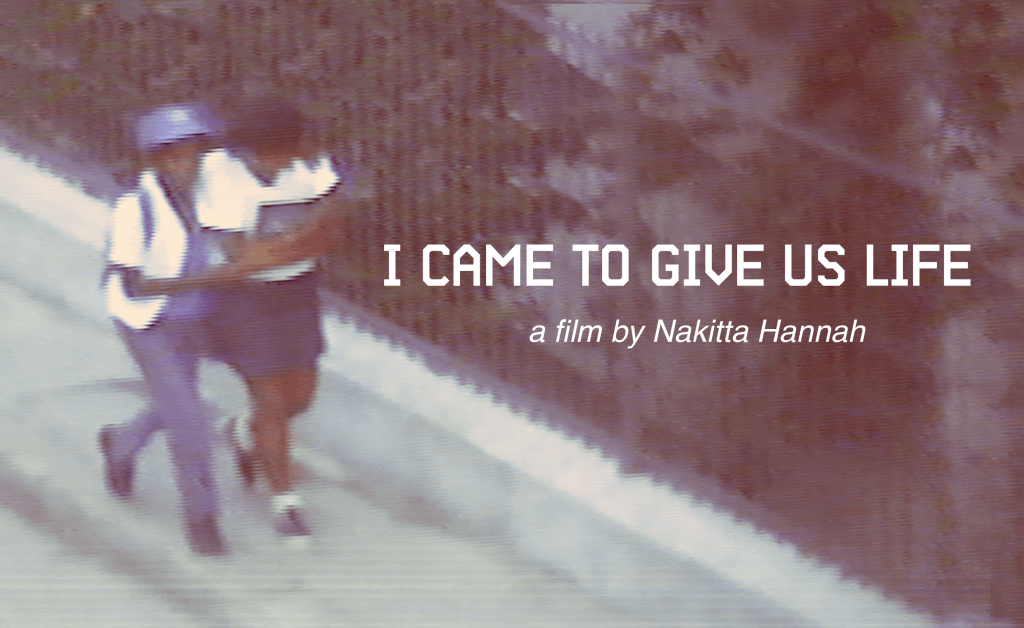
a film by Nakitta Hannah
Synopsis:
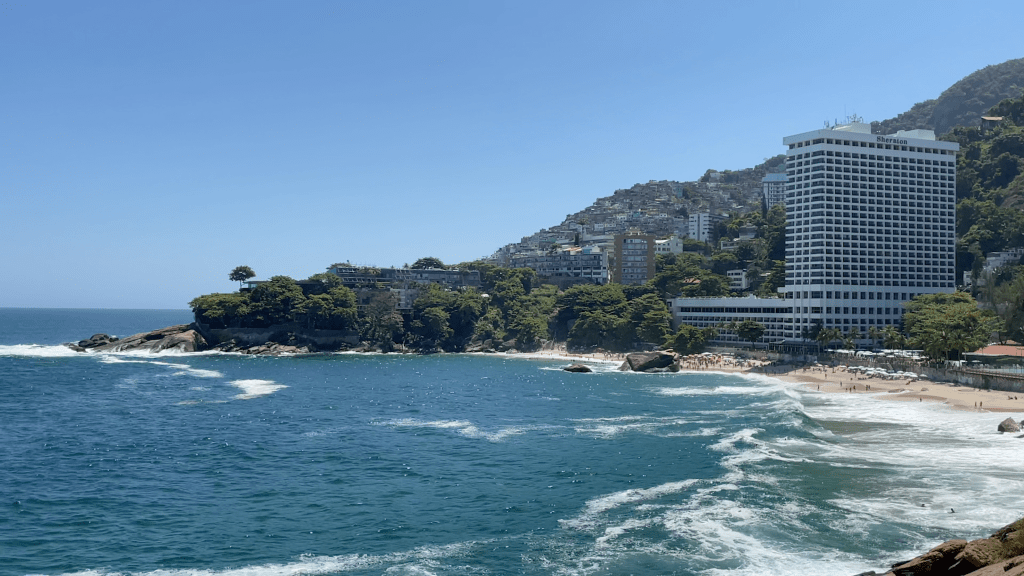
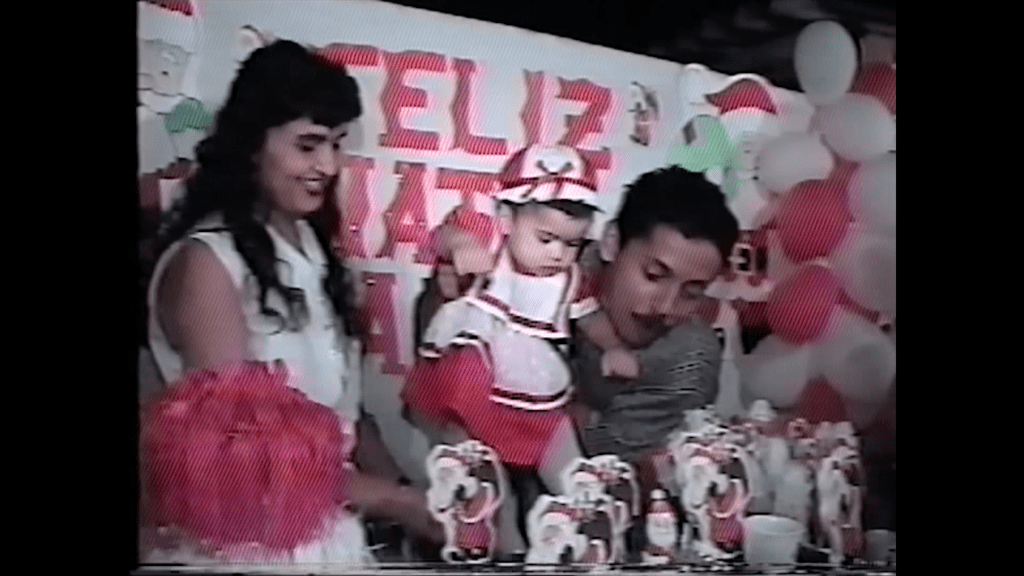
In 1979, Maria Lúcia was only 21 when she moved to Rio de Janeiro in search of her then-husband, who had run away and left her with two young daughters. She found shelter in a favela, Vidigal, with the help of her former sister-in-law’s family. Six years later, she separated from her husband and found a new love, Amauri, from whom she became pregnant again. They moved in together to a house without a kitchen, a bathroom or a floor. Amauri’s first act of love was to gift her a green toilet.
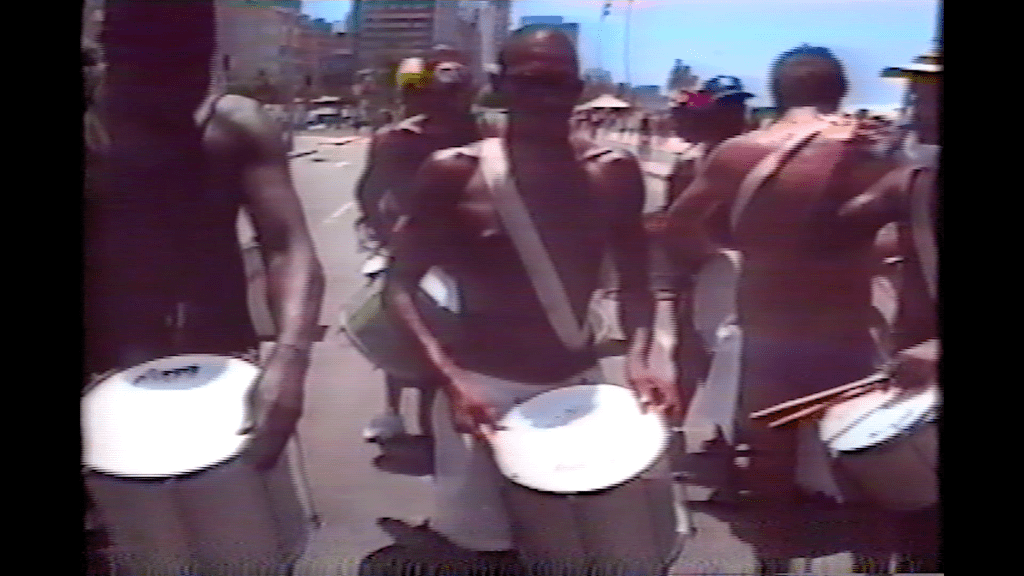
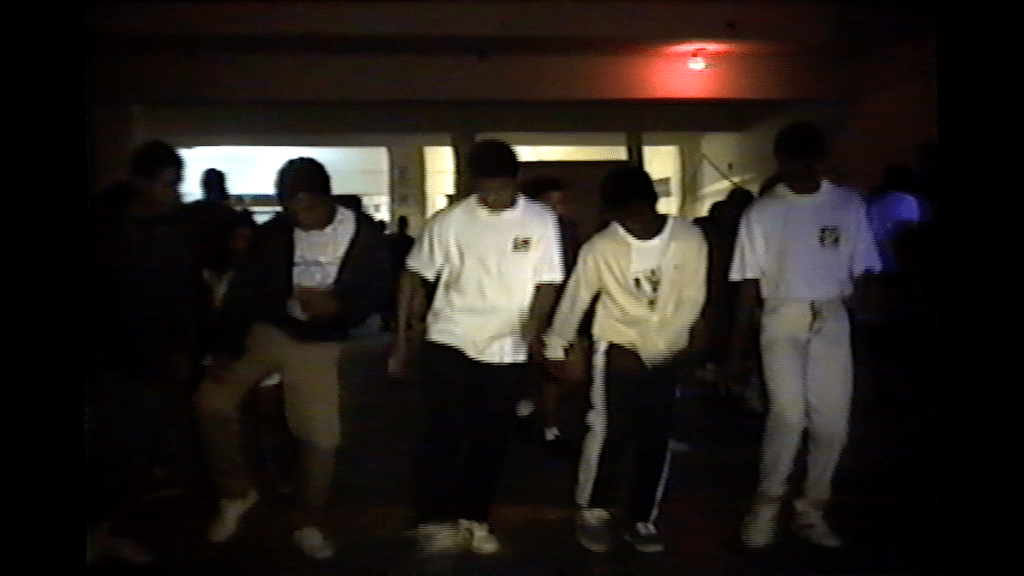
Life seemed to have improved significantly, but the violence in favelas during the 80s increased when local drug dealers started to have access to assault rifles. They had to learn how to live with the place’s struggles having nowhere to go, like anyone living in the favelas. They find refuge in living vividly and work hard to change their reality, but this is not enough to prevent being stigmatized by the rest of the population and neglected by the government. People outside the favelas think people from favelas are thugs that endorse drug trafficking.
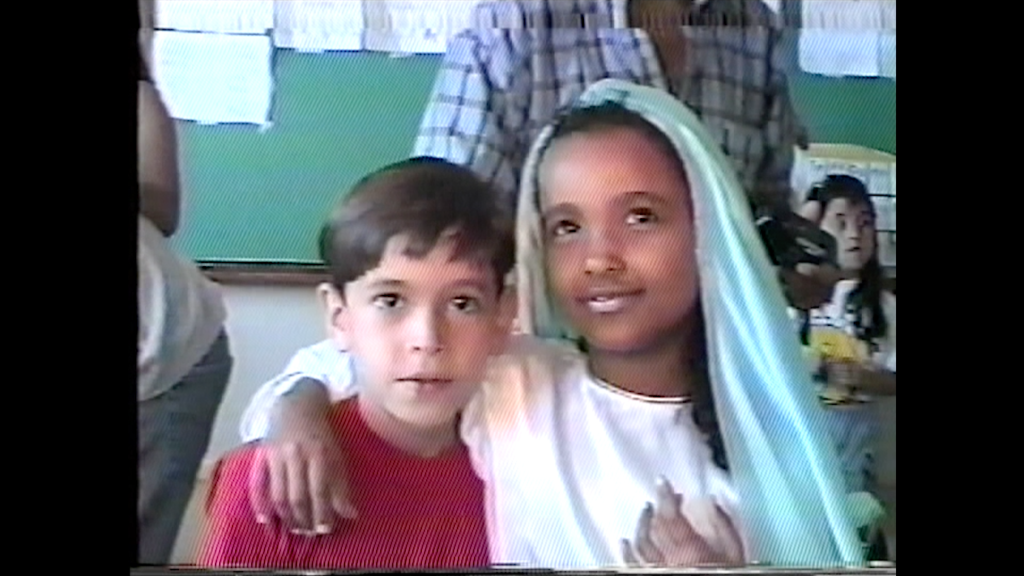
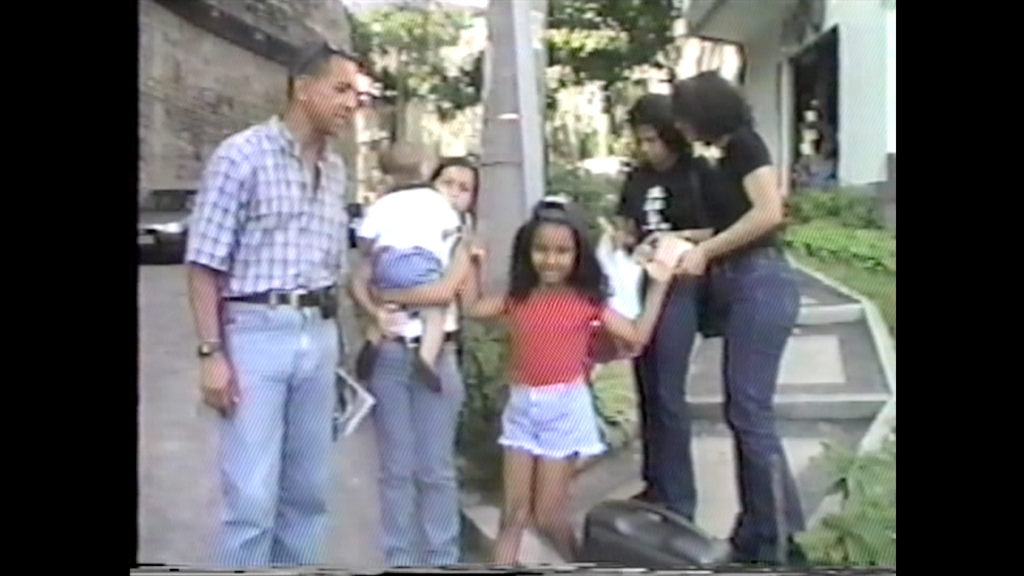
Amidst these challenges, they found solace in education, which they believed would provide a better future for their children. Maria Lúcia and Amauri emphasized the importance of education and never let their kids skip school. For them, education was the key to breaking the cycle of poverty and violence in the favelas.
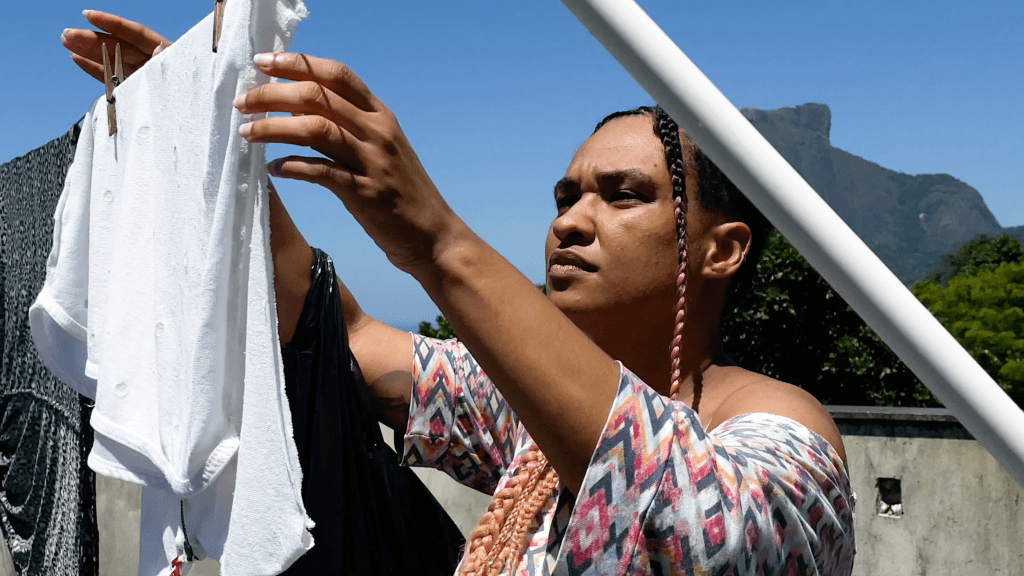
Today, Maria Lucia’s youngest daughter, a filmmaker with a degree, has created I Came to Give Us Life to share their story with the world. The film highlights the struggles of those living in the favelas, the stigma and marginalization they experience, and the power of education in providing hope for a better future.
 Nakitta Hannah